Revitalize Your Space: Vital Details On Residential Improvement Projects for All Property Owners
Residents commonly search for options to upgrade their homes by using renovation services. These projects can range from kitchen upgrades to full house remodeling. Understanding the options available is vital for making informed decisions. Additionally, there are real-world factors like budgeting and choosing the right builder. As householders start this endeavor, they may find themselves facing unforeseen difficulties. The secret to a great renovation lies in meticulous preparation and execution. Which actions should follow?
Understanding the Different Types of Residential Renovation Work

When property owners think about upgrading their living spaces, they often encounter a variety of remodeling services designed for specific preferences and preferences. These services can be broadly categorized into a few distinct groups, each focusing on particular areas of home improvement. Kitchen remodeling focuses on upgrading equipment, the cabinets, and floor plans to enhance functionality and visual appeal. Bathroom upgrades generally mean upgrading fixtures, tiling, and storage solutions for improved comfort and style.
Complete residential remodeling includes extensive modifications to the entire house, sometimes requiring major structural work to make the most of the space and flow. Outdoor renovation projects, in contrast, concentrate on enhancing the home's outward appearance, addressing siding, the covering, and the yard. Furthermore, specific options like basement finishing and upgrading the attic help residents make the most of neglected parts of the home. Every renovation category offers unique valuable guide benefits, letting residents pick services that fit their desired outcome for their living environment. Knowing these variations is essential when making informed decisions during the renovation process.
Establishing a Practical Spending Plan for Your Remodeling Project
How do property owners make certain their home upgrades are kept financially viable? Establishing a realistic budget is essential. Property owners must start by evaluating their financial capacity, like savings and available loan choices. This preliminary action allows one to figure out the funds available for the renovation while maintaining other fiscal obligations.
Afterward, those undertaking the remodel should research the costs associated with their desired renovations, taking into account materials, labor, and unexpected costs that frequently occur. Making an exhaustive list of needs will assist in identifying must-haves versus nice-to-haves, allowing for adjustments if the budget tightens.
It is prudent to set aside an emergency fund, generally 10-20% of the entire budget, to handle unforeseen expenses. Regularly reviewing and adjusting the budget throughout the remodeling process can also help maintain financial control. Ultimately, a well-planned budget not only guarantees project viability and makes the whole updating experience better for property owners.
Choosing the Right Contractor for Your Requirements.
Selecting the right contractor has a major influence on the success of a remodeling project. It is recommended that homeowners start by doing comprehensive research, looking for suggestions from acquaintances, relatives, or web feedback. It is crucial to check qualifications, such as licenses, insurance, and surety bonds, to establish credibility.
Once potential contractors are identified, they should seek detailed cost breakdowns and timeframes, allowing for informed comparisons. Meeting with them offers a look at their manner of communicating and their professional conduct, which are crucial for working together effectively.
In addition, looking at completed jobs through galleries or recommendations demonstrates the professional's skill level. It is wise to question them regarding warranties or safeguards, reflecting the contractor's confidence in their work.
Finally, picking a builder whose approach fits the property owner's ideas, cost plan, and timeframe fosters a more positive remodeling experience, guaranteeing that the project meets expectations and successfully updates the home's interior.
Planning and Designing The Space You Envision.
As homeowners envision their ideal spaces, meticulous organization and deliberate design form vital parts of an effective updating job. The beginning stage requires reviewing existing necessities and future desires, allowing for a thorough understanding of how the space will be used. When planning, homeowners should evaluate functionality, aesthetics, and personal style, ensuring that the design reflects their unique preferences.
Following this, it is critical to create a detailed budget. This budget should account for materials, labor, and potential unforeseen expenses. Consulting with design experts can offer helpful perspectives, aiding in maximizing the area and respecting budgetary constraints.
Integrating components like ample daylight, spacious designs, and sustainable materials can enhance the overall experience. Finally, visualizing the project through drawings or computer models can assist in finalizing plans before starting the work. By thoughtfully tackling the design and planning stage, homeowners can create an inviting, efficient space suited to their way of life.
Understanding Regulations and Permits in Home Remodeling
Familiarizing oneself with the red tape and requirements can be intimidating for homeowners beginning a home improvement project. Every city or county maintains distinct regulations that govern what can be done during renovations, frequently shaped by zoning laws, building codes, and safety standards. Homeowners must familiarize themselves with local regulations so they don't incur hefty fees or project delays.
In most cases, getting permits is mandatory for major changes, such as structural changes or electrical work. This process frequently requires submitting blueprints for approval and might demand site visits at different phases.
Hiring an experienced builder can streamline these steps, as they are usually well-versed in local regulations and can assist with paperwork. It is important for homeowners to communicate regularly with local building departments to verify legality throughout the project. By grasping and navigating these regulations, homeowners can meet their renovation objectives while ensuring safety and legality in their renovations.
Common Queries
What is the Duration of a Standard Home Renovation?
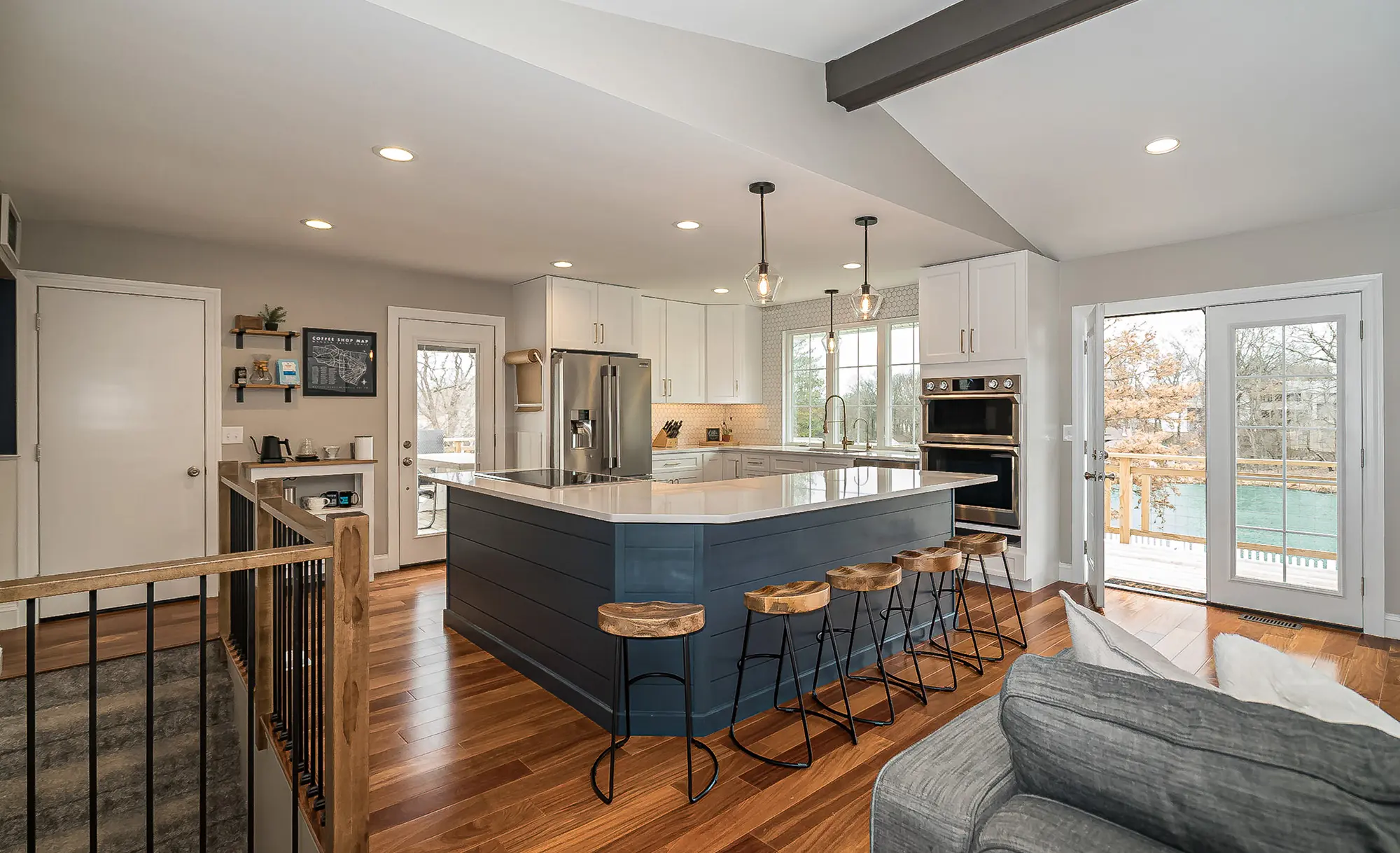
A typical home remodeling project usually takes three to six months on average, based on the size of the job, scale of the house, and availability of materials. Complex projects may require additional time for completion.
What are the common mistakes you should steer clear of during remodeling?
Frequent errors during remodeling often involve miscalculating costs, neglecting permits, not adhering to the project schedule, poor communication with the construction team, and not considering long-term functionality. Knowing these potential problems often results in a more efficient, more successful renovation project.
How should I go about choosing the right materials for my renovation?
Selecting appropriate supplies involves evaluating how long they will last, aesthetics, and cost constraints. Looking into different products, talking to specialists, and factoring in how much care they require are vital steps to make smart choices, ensuring the project aligns your needs and preferences.
Is it possible to stay in my house while the remodeling is happening?
It is possible to remain on the premises during renovations, but you should expect some hassle. Detailed organization, maintaining open dialogue with your builders, and creating defined spaces for essential activities will reduce the inconvenience while the work is underway.
What guarantees should I look for from remodeling contractors?
Clients typically receive warranties covering workmanship, the products installed, and structural components, which usually last between one to ten years. It is essential to examine the exact provisions with contractors to know the full extent of the guarantee and its restrictions.